
KNEE SURGERY GLASGOW
Cartilage Defects
What are Cartilage defects?
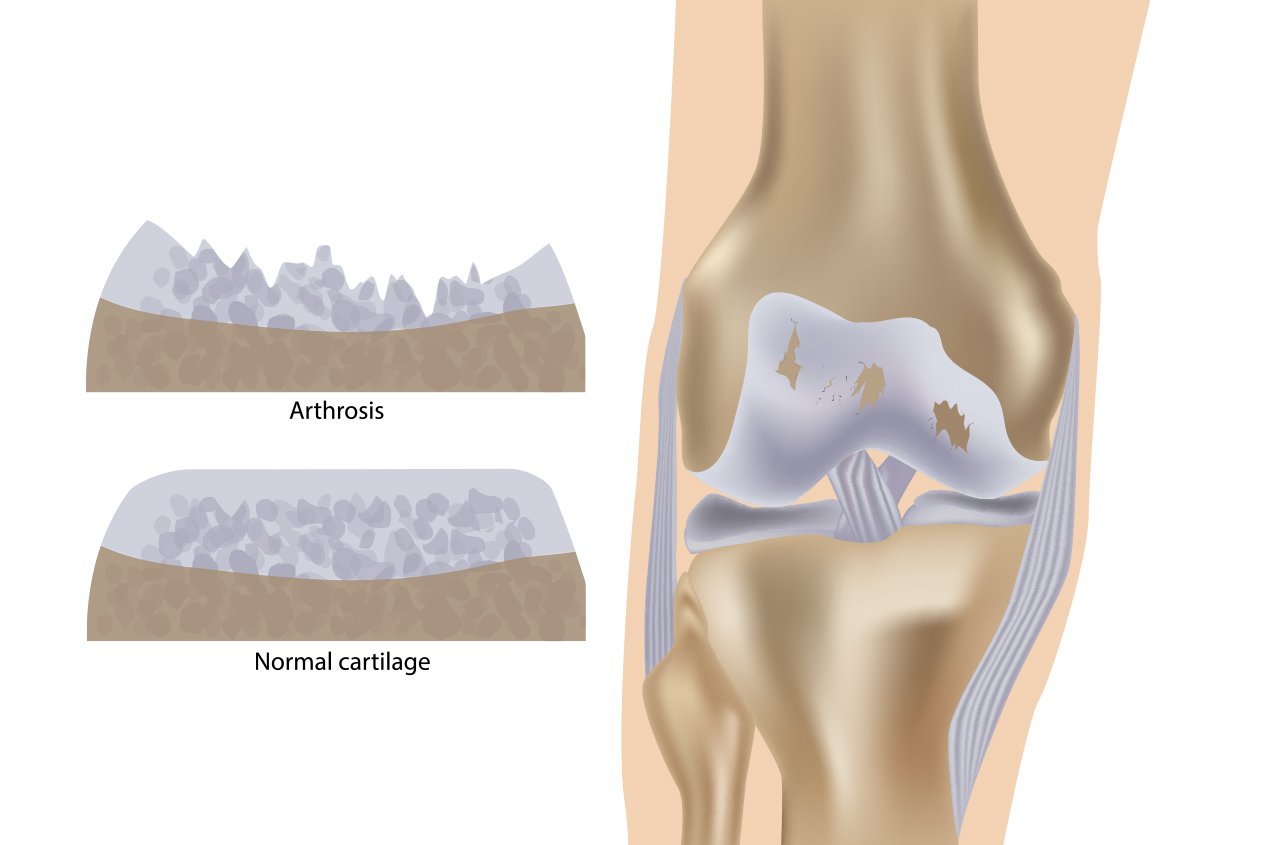
Cartilage defects are areas where the smooth articular cartilage covering the ends of the bones in the knee is damaged. Unlike meniscal cartilage, which acts as a cushion, articular cartilage provides a low-friction surface for smooth joint movement. Damage to this cartilage does not heal easily, as it has very little blood supply.
General Overview
Cartilage defects can result from injury (such as a sports trauma), repetitive stress, or develop alongside conditions like osteoarthritis. Small defects may cause only mild symptoms, while larger ones can significantly affect knee function and increase the risk of arthritis over time. Treatment depends on the size and location of the defect, as well as the patient’s age, activity level, and goals. Options range from physiotherapy to surgical techniques designed to repair or regenerate cartilage.
What are the symptoms cartilage defects?
Localised pain in the knee, often worse with activity
Swelling after use, particularly following exercise
Stiffness and reduced range of movement
Clicking, catching, or locking sensations if loose cartilage fragments are present
Occasional instability or “giving way” sensation
In more advanced cases, symptoms may overlap with osteoarthritis
How do you treat cartilage defects?
Non-surgical management:
Physiotherapy to improve muscle strength and support the knee
Activity modification to reduce impact (e.g. switching from running to cycling or swimming)
Pain relief with medication or injections (such as steroid, hyaluronic acid or nSTRIDE® Autologus protein Solution)
Weight management to reduce joint loading
Surgical management (for persistent or larger defects):
Microfracture – creating small holes in the bone to stimulate healing and scar cartilage formation
Osteochondral grafting – transplanting healthy cartilage and bone plugs into the defect
Autologous chondrocyte implantation (ACI/MACI) – growing new cartilage cells in a lab and re-implanting them into the defect
Osteotomy or realignment surgery – in cases where abnormal joint loading contributes to cartilage wear
Your Recovery:
Non-surgical management focuses on symptom control and maintaining mobility long-term
After cartilage repair surgery, recovery is gradual and often involves several months of protected weight-bearing, physiotherapy, and a structured return to sport